
Continuously validate security controls across network, cloud, and host layers.
How Do You Prove Security & Resilience?
Security frameworks have become a strategic priority at the board level. IP Fabric audits your network security posture in 30 minutes or less.
Now we can see routing paths, detect anomalies, and ensure stable operations. It’s helped us maintain a secure and consistent infrastructure.
Discover Every Known & Unknown Device
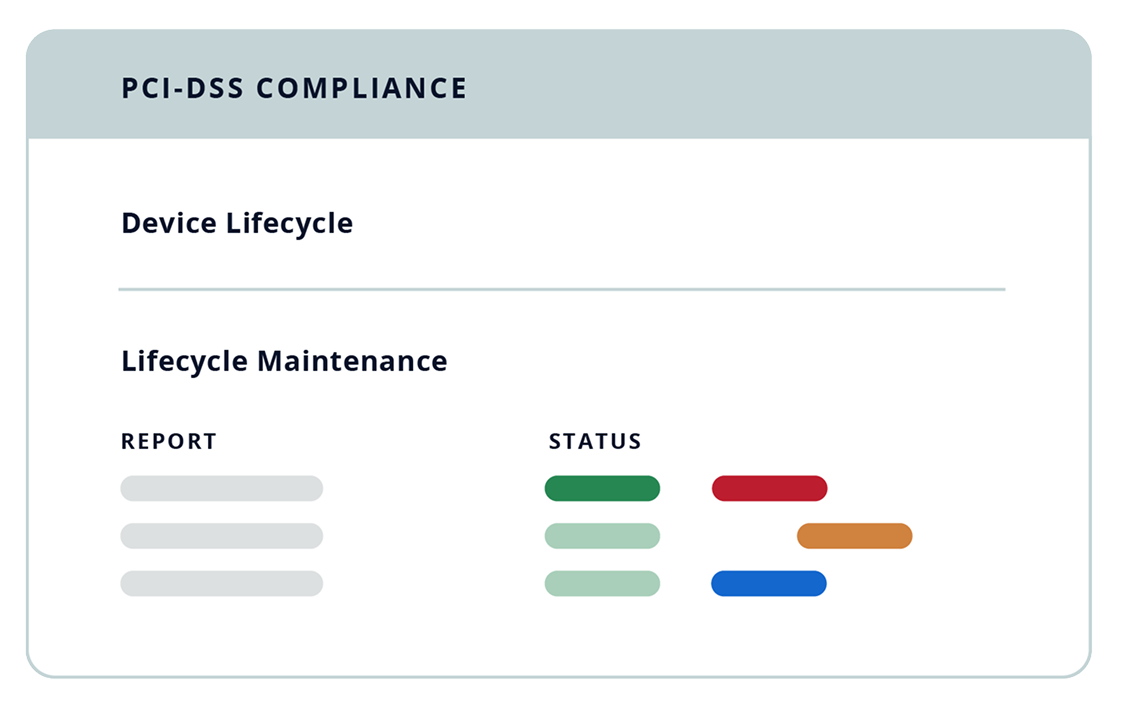
Take inventory of every on-prem and cloud device—including unmanaged devices you didn’t know about. Click into any device for additional data on:
- Lifecycle status
- Telnet access
- BGP routing
- Command & service logs
- AAA
- NTP
- Logging
- And more
Prove That Every Path Is Protected
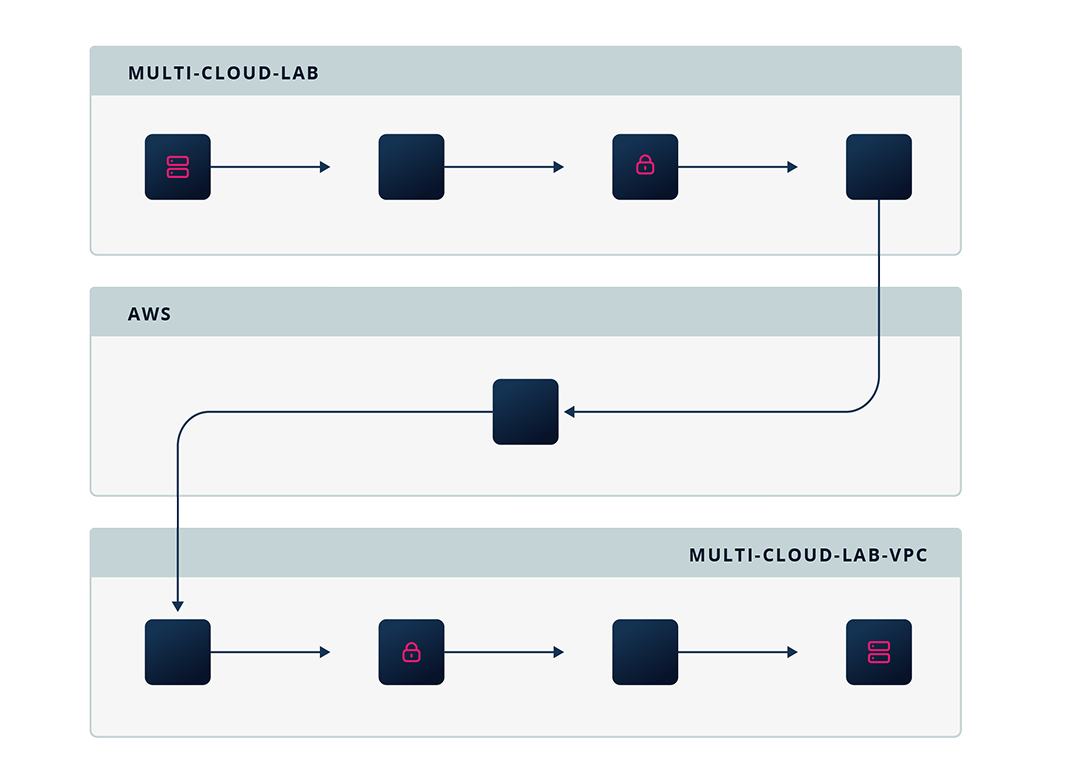
Run daily snapshots to validate security controls across on-prem and cloud environments including:
- Zero trust policies
- Segmentation policies
- Firewall policies
- IPSec tunnels
- ACLs & NACLs
- Cloud security groups
- VPC / VNet peerings
- And more
Accelerate Remediation Workflows
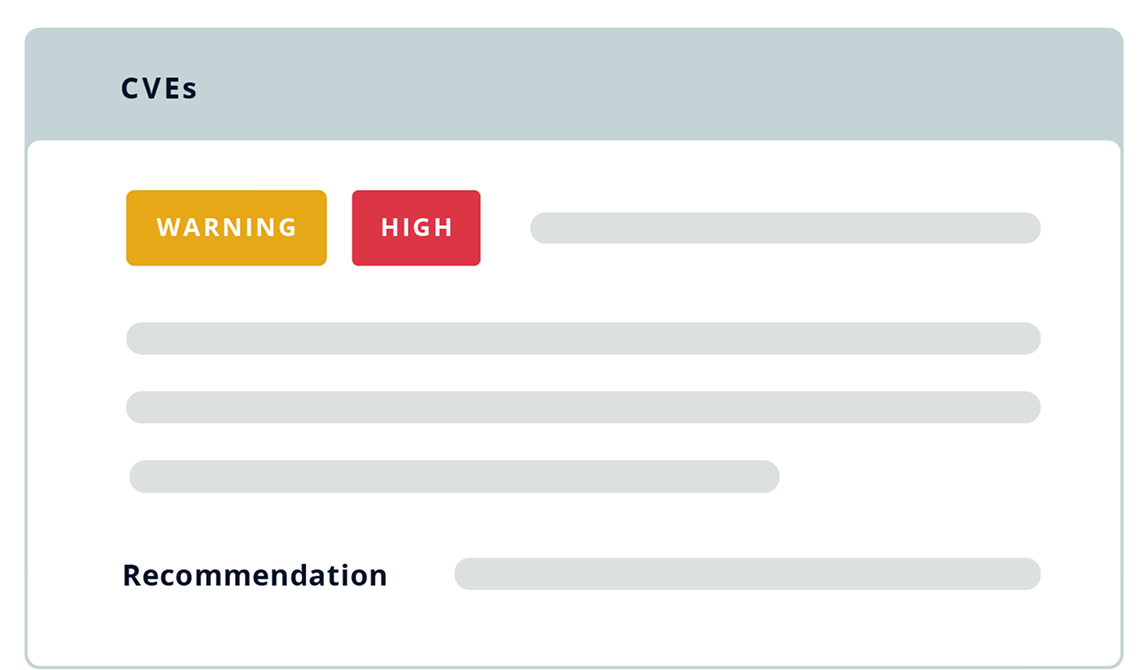
Automatically surface any risks to devices, cloud objects, or applications. Kick off automated remediation workflows via ServiceNow, Nautobot, Ansible, or your tool of choice.
Resources

Downloadable
7 Security Controls To Check In Your Infrastructure
Close network security gaps by validating firewall policy rules, semgentation policies, and more.

Demo Video
Detect Shadow Rules with IP Fabric’s MCP Server
Surface all shadow rules across every device and policy. Get a structured PDF report with deterministic insights.

Compliance Hub
Map Regulatory Controls To Your Network
Explore how IP Fabric supports key controls across NIST, CIS, and ISO 27001.
FAQs
SIEMs focus on log-based monitoring, which can flood teams with alerts. But without broader context, those alerts don’t help to prioritize the most urgent risks. IP Fabric takes a more holistic approach to network security by creating an interactive digital twin of every device, connection, and configuration in cloud and on-prem environments. This digital twin can be used to simulate infrastructure behavior and identify possible attack pathways, whether it’s a bypassed firewall or a misconfigured access control. From there, IP Fabric correlates cloud & network behavior application data that’s ingested from tools like Illumio, giving network and security leaders the insights they need to make faster, more informed decisions.
IP Fabric uses a combination of automated discovery techniques to identify all unmanaged or End-of-Life (EoL) devices from core to edge to cloud. Using read-only credentials, IP Fabric connects with devices through CLI commands and API calls to gather operational data like interface states and configuration rules. It also identifies neighboring devices using protocols like LLDP, CDP, and ARP, to build native Layer 1–Layer 3 topologies.
IP Fabric collects URL filtering rules, threat feed configurations, and security policies from next-gen firewalls to validate that controls are enforced as intended. It also simulates how traffic flows through transparent firewalls from platforms like Forcepoint, Cisco Firepower, Fortinet, and Palo Alto Networks. If IP Fabric detects any misalignment between policy enforcement and intent, it sends a webhook to an external system to begin the remediation process.
Yes. You can create custom intent checks easily, without any specialized query languages. Generate custom checks automatically using our enterprise-grade MCP server, or manually via our user-friendly interface. You can also pull external data into attribute tables to enrich your checks with context from other systems. Results of all checks are normalized and presented in customizable dashboards that can be easily shared with security teams, auditors, and beyond.
When an incident occurs, you can reference IP Fabric’s historical snapshots and configuration backups as your “last known good state.” Run end-to-end path lookups to determine exactly which devices, dependencies, and applications are affected by an incident, then use IP Fabric’s open API to initiate automated incident response via tools like ServiceNow, Nautobot, and more. Once the incident has been resolved, IP Fabric takes another snapshot of the network to validate that all security controls are properly in place. This snapshot also serves as proof of compliance with leading frameworks like ISO 27001, NIST, CIS, and more.
Yes, IP Fabric is secure. It’s deployed on a dedicated Virtual Machine (VM), and uses read-only credentials to discover your environment. Our MCP server is opt-in only, and is also shipped in your local VM. These protocols ensure you’re always in control of your own data. IP Fabric itself is also SOC 2 certified and compliant with ISO 27001.
See IP Fabric in Action
Our expert team is here to help you get started.