Walk through 5 different demo flows to learn about IP Fabric’s core features, including:
- Topologies & diagrams
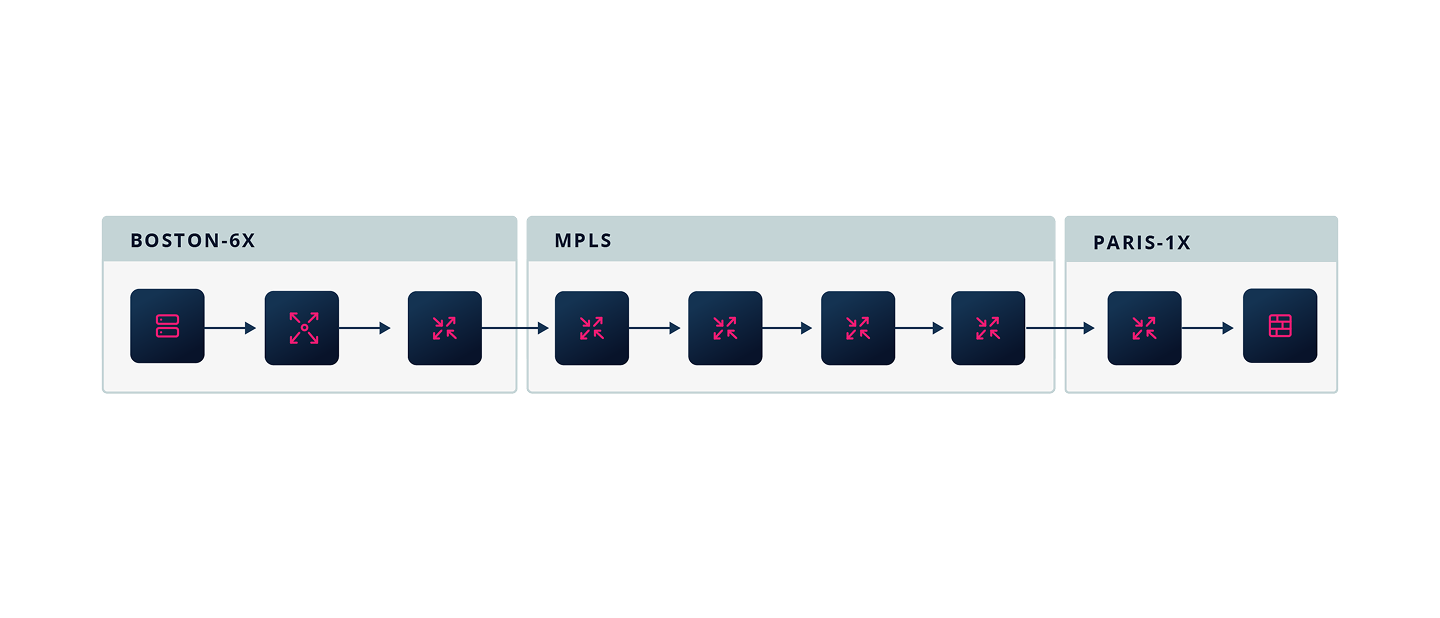
- End-to-end path lookups
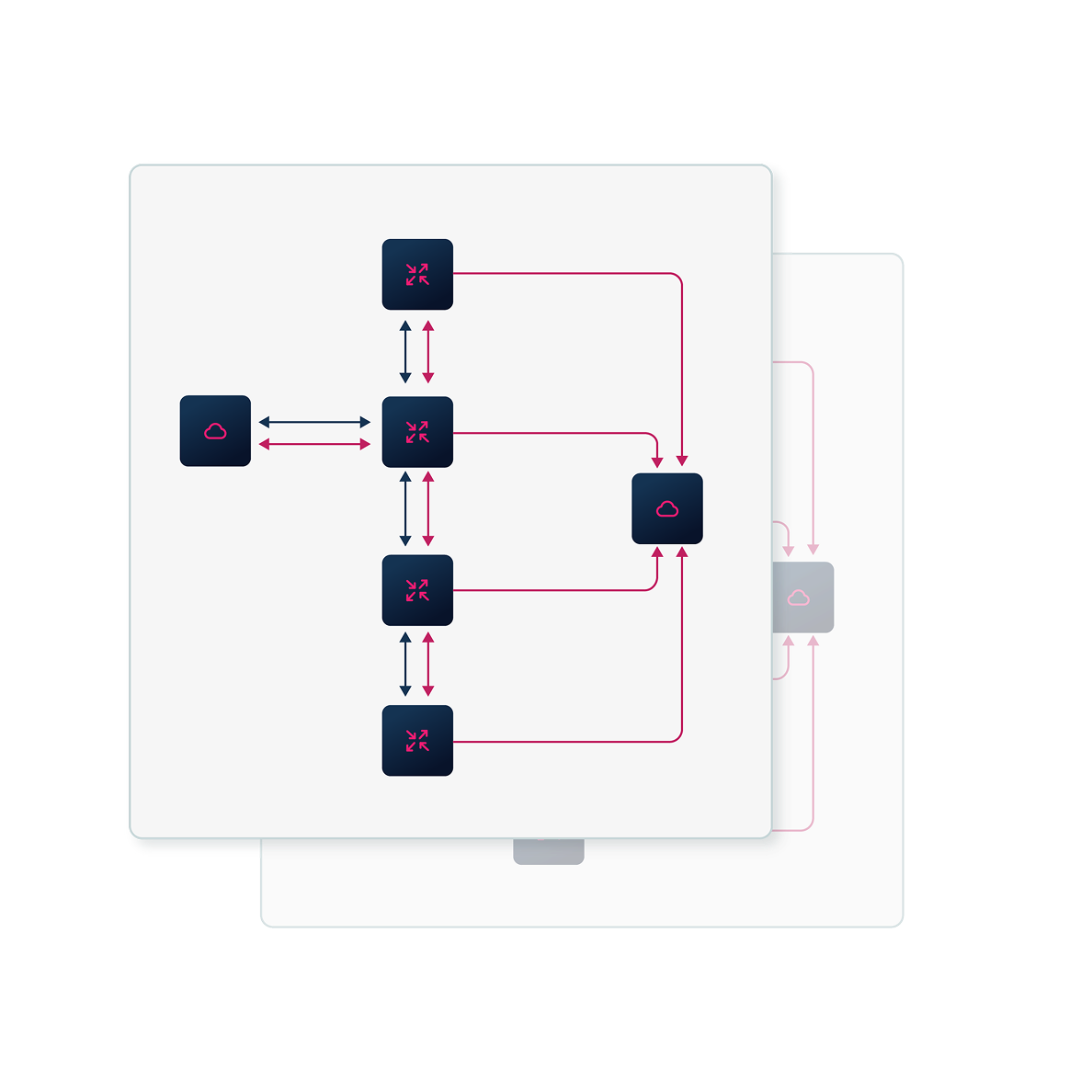
- Pre & post-change impact analysis
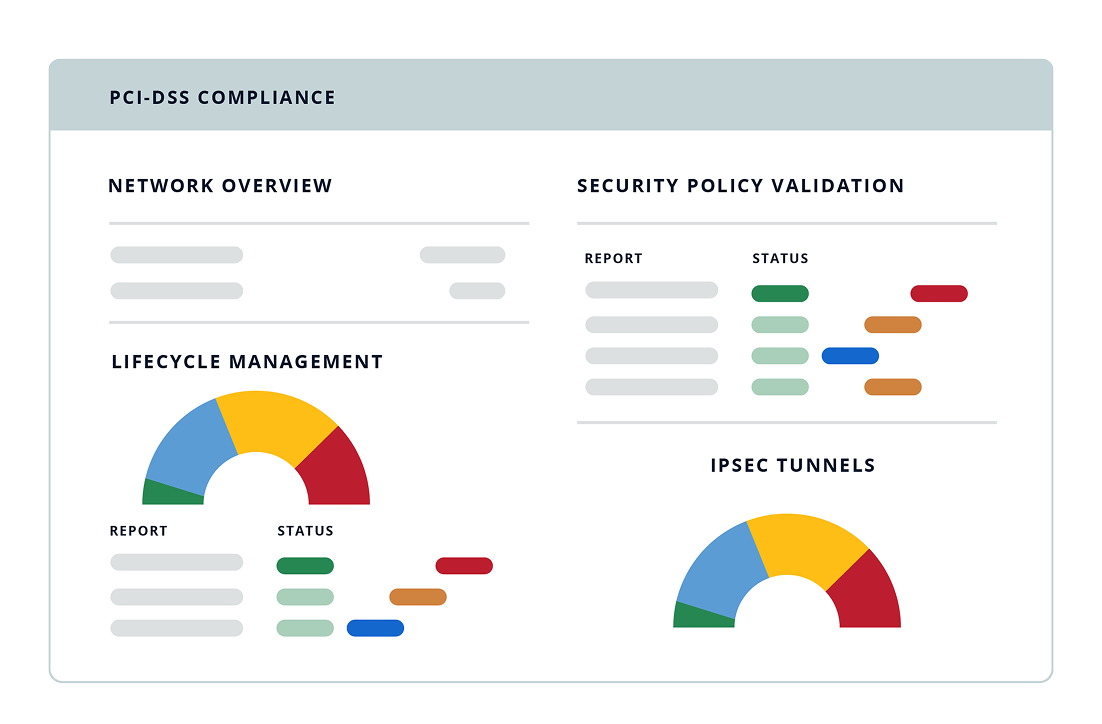
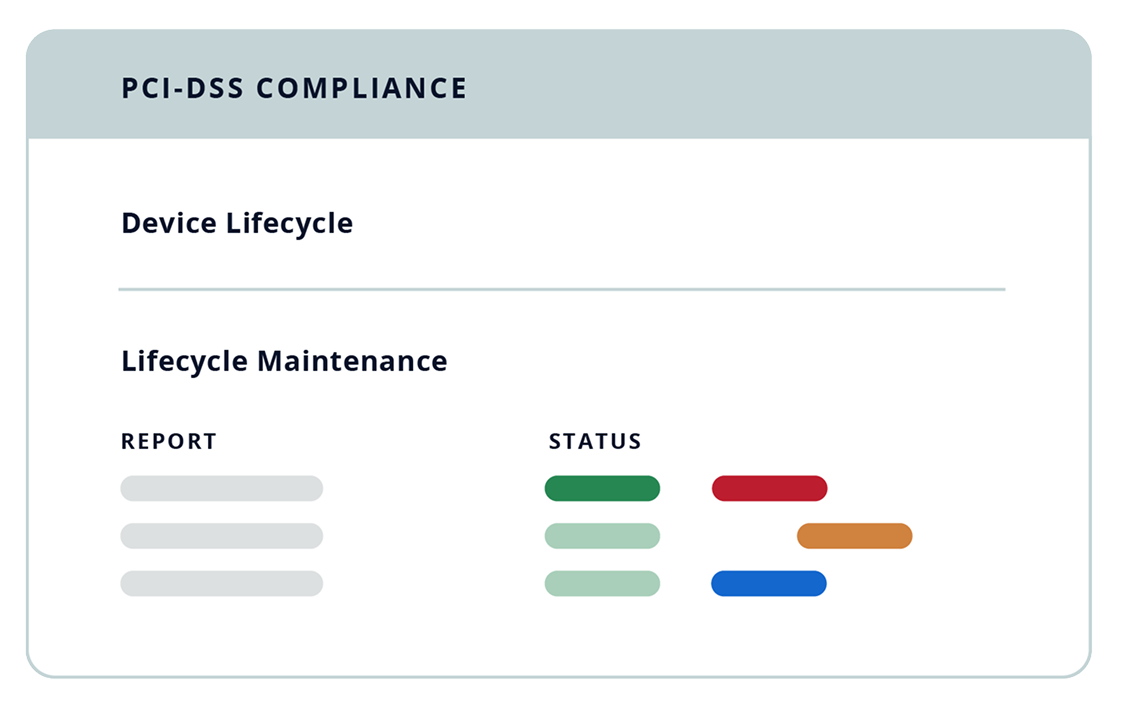
- Compliance validation & reporting
- Technology tables
Walk through 5 different demo flows to learn about IP Fabric’s core features, including:
IP Fabric is a ‘must have’ software for network management.
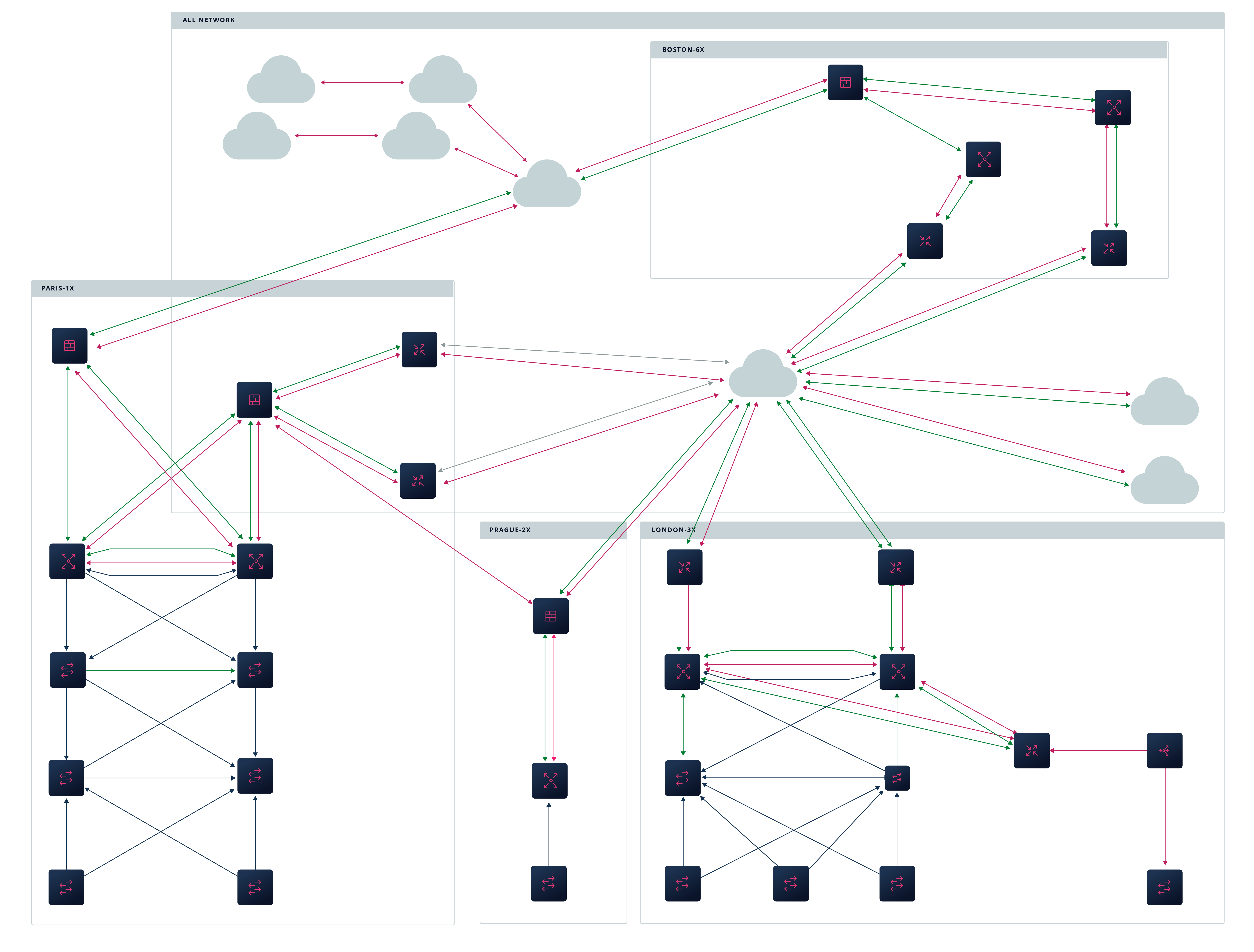
IP Fabric automatically maps Layer 1–Layer 3 topologies from core to cloud to edge, so you always have an updated view of your actual network state and behavior.
Specify a source and destination IP, and IP Fabric will map every hop the packet traverses between them. Use this to identify misrouted traffic, bypassed firewalls, and other unintended behavior.
Learn how to anticipate the impact of a change before you make it, and validate that every change is implemented according to your business intent.
IP Fabric continuously validates your security and compliance posture with automated intent checks. See how to generate timestamped reports as proof of compliance with standards like ISO 27001, NIST, CIS, NIS2, DORA, PCI DSS, HIPAA, and more.
IP Fabric discovers every known and unknown device in your network, providing each device’s configuration and state data (e.g. BGP neighbor statuses) so you can easily check protocol health.
Nothing! Once you complete the registration form, you’ll receive credentials via email to access the self-guided demo.
Yes, you can request a live demo of IP Fabric’s MCP server. Contact our team to learn more.
Yes, you can request a live demo for any integration. Contact our team to learn how IP Fabric integrates with ServiceNow, NetBox, Ansible, Itential, Nautobot, or any other tool in your stack.
Yes, IP Fabric offers a 30-day free trial. Register for the free trial or chat with a member of our team to get started.
IP Fabric does not push changes. This maintains a Segregation of Duties (SoD), which is essential for AI and automation governance.
However, IP Fabric can initiate changes by sending webhooks to external tools, and by populating ITSM tickets with deterministic insights.