
 Blog
Blog With IP Fabric’s network digital twin platform, Aeroporti di Roma (ADR) was able to…
- Generate proof of NIS2 and DORA compliance on demand.
- Lower the risk and cost of day-to-day network operations.
- Keep CMDB, ticketing, and logging systems up to date with the freshest network insights.
Rome Fiumicino airport is Italy’s gateway to 230+ destinations around the globe, with almost 50 million passengers flying through the main airport of the Italian capital in 2024.
ADR manages both of Rome’s airports: Fiumicino (FCO) and Ciampino (CIA). These airports are hailed as some of the best in the world, and ADR is always innovating new ways to improve the passenger journey. From groundbreaking sustainability initiatives to AI-assisted digiports, ADR’s projects hinge on having complete visibility and control over the network.

“Behind the scenes of a major airport, IT plays a crucial role,” explains Network Architect Mirko Gradillo. And it’s true: when passengers are checking in to their flights or going through security, they’re likely not thinking about the devices, systems, and applications that keep it all running. “Any downtime goes far beyond missed vacations. It can impact safety procedures and affect thousands of passengers, all of whom rely on our network connectivity.”
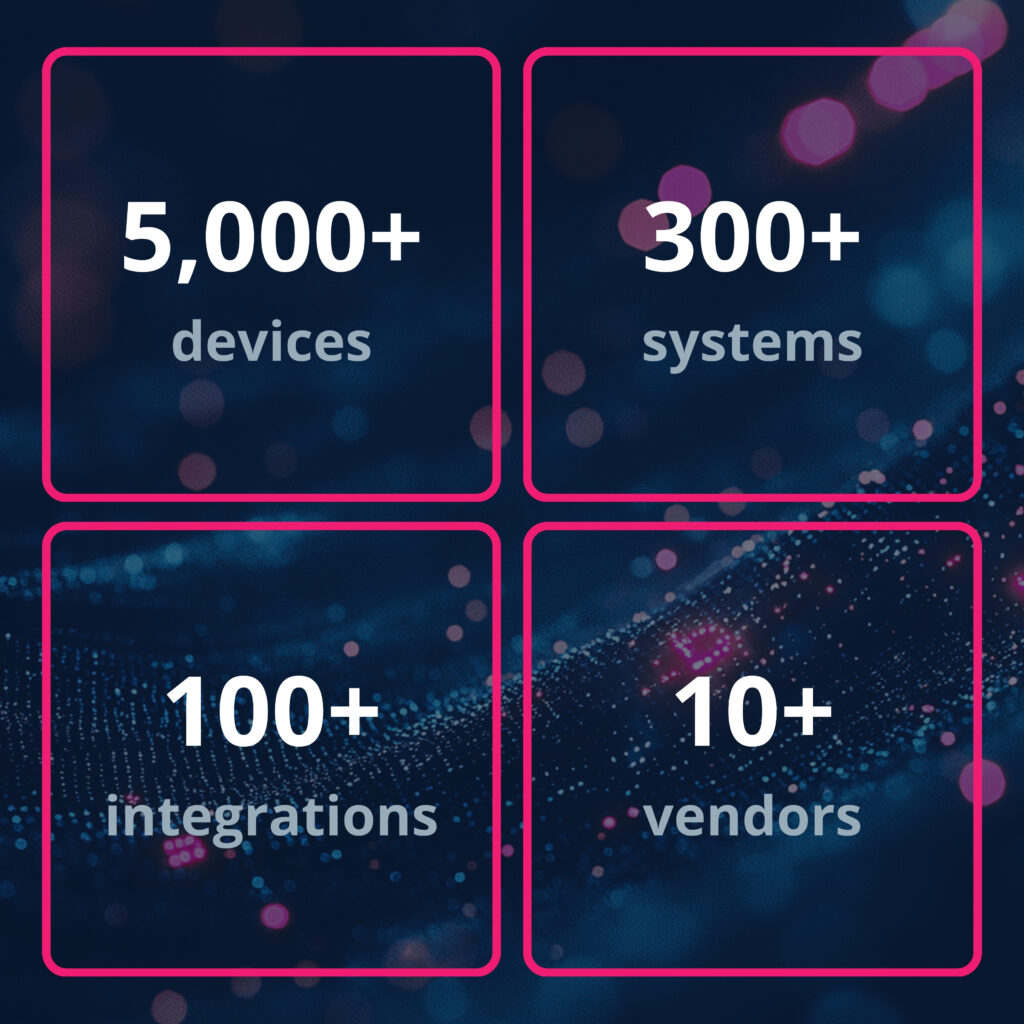
Faced with growing network complexity and a huge uptick in tourism, Gradillo and his team trust IP Fabric to deliver the visibility they need to ensure robust network governance.
Generate Proof of Compliance On Demand
“Airports are a critical environment by nature,” explains Gradillo. “We operate 24/7 and must ensure business continuity across the EU, as is required by DORA and NIS2.”
The easiest way for ADR to prove that they meet these rigorous standards? Maintaining accurate documentation. But with the scale of ADR’s network, it’s impossible to keep documentation up to date manually.
“Without automation, documentation is always at risk of being outdated and inaccurate,” Gradillo says. “IP Fabric offers a solution that updates documentation every time it takes a snapshot, which could be multiple times per day.”
Each IP Fabric snapshot is a complete, timestamped view of all the devices, connections, and dependencies in ADR’s network. After compiling a snapshot, IP Fabric runs a series of 160+ built-in compliance checks to proactively monitor for risks like Critical Vulnerabilities (CVEs), unpatched devices, or misconfigured access controls. The ADR team also created several of their own custom checks to monitor for business-specific requirements like Wi-Fi performance—all without needing advanced knowledge of coding or query languages.
“Passenger experience is a crucial metric, and Wi-Fi performance is one of the aspects we are evaluated on,” explains Gradillo. “With more than 3,000 access points, even occasional issues, like links negotiating at 100 Mbps, or half-duplex, can impact service quality. By creating a dedicated intent check, we can identify these conditions early and resolve them quickly.”
De-Risk Day-to-Day Operations
Without a centralized view of the network, ADR couldn’t see how their hundreds of systems, apps, and integrations connected. New IT hires spent months learning the network, and external teams didn’t have the visibility to predict how changes would affect behavior. To prevent disruptions, IT had to review every single request—creating bottlenecks that delayed critical work.
But today, every team at ADR has access to a normalized, unified view of network behavior. For new hires and vendors, IP Fabric’s digital twin helps them to understand the network from day one. For external teams, it eliminates the wait for IT approval; now, they can run end-to-end path lookups to simulate the effects of any network changes, so they can be sure to avoid any unintended consequences.
“What used to take months to grasp now only takes days,” Gradillo reflects. By saving time on operational tasks like documentation, onboarding, and remediation, ADR’s IT team is free to allocate their time to more strategic initiatives, like the ones on their ambitious digital transformation roadmap. ADR can pursue these innovations with confidence, knowing they have the network visibility to address risks before they impact network connectivity.
Embark On Ambitious Digital Transformation Journeys
With IP Fabric handling compliance and daily operations, ADR set their sights on new ways to leverage the platform. Next up: integrating with Splunk and BMC to automate asset management, change management, and incident resolution. Further out, ADR also plans to expand IP Fabric into troubleshooting and DevOps workflows, building toward a network that can self-diagnose and self-heal.
“Every step with IP Fabric brings us closer to an intelligent network,” Gradillo explains. “It not only supports network operations, but also anticipates needs and adapts to new challenges as they evolve with the business.”